Tuesday, 12 May 2015

Nkurunziza Expels Rwandan CEO over ‘Espionage’


Burundi President Pierre Nkurunziza has ordered the deportation of Anthony Masozera, the Chief Executive Officer of Econet Burundi for reportedly spying for Rwanda, Chimp Corps report.
Econet is the second largest telecoms operator in Burundi and Masozera is of Rwandan origin.
ChimpReports understands that during the weekend, Nkurunziza directed the Interior Ministry to have Masozera kicked out of the country.
“Masozera is now persona non grata, according to Burundi authorities. Burundi’s turmoil is getting out hand,” said a diplomat on Monday morning.
Persona non grata means “an unwelcome person,” or a foreign person whose entering or remaining in a particular country is prohibited by that country’s government.
This means Masozera will need special clearance to return to Burundi.
Prior to joining Econet, Anthony worked for MTN for 10 years in various capacities including chief executive officer in West Africa and chief financial officer in Rwanda.
He is a Certified Public Accountant with the State of Texas where he obtained his Bachelors and Master of Business of Administration degrees and is also a founding member of the Institute of Certified Public Accountants of Rwanda. Anthony is a Fellow of the fourth class of the Africa Leadership Initiative-East Africa and a member of the Aspen Global Leadership Network.
Burundi’s decision to expel Masozera is not surprising, considering that tensions between the two countries have been boiling since the unrest started three weeks ago, leading to the influx of over 10,000 refugees into Rwanda.
Rwanda last week warned that it would not look on idly as Burundi government forces continue toengage in targeted violence.
So far 18 people have been killed by government forces during protests challenging Nkurunziza’s third term presidency.
Rwanda President Paul Kagame also spoke about the situation in Burundi during his presentation at the 45th St Gallen Symposium in Switzerland on May 8, wondering why Nkurunziza was sticking to power.
“If your own citizens tell you we don’t want you to lead us, how do you say I am staying whether you want me or not,” Kagame told off Nkurunziza.
“The First responsibility lies with leaders of Burundi, they need to do more in order to stop movement of refugees,” he added.
Kagame emphasised that the turmoil in Burundi “is not just about third term. It is about delivery of services.”
Sources told this investigative website that Burundi government believes Rwanda wants Nkurunziza out of power. But officials in Rwanda say they have a right to speak because of the refugee crisis in the country.
Kenya President Uhuru Kenyatta has since weighed in on the violence that Monday entered the third week, saying, “The continued civil unrest in Burundi is not only a threat to the country’s stability but the whole of the East African region.”
Nkurunziza was last week nominated to run for the third term. He promised not to stand for the fourth term.
The Arusha Accords provide that the President should only stand for two terms but Burundi officials say Nkurunziza’s first reign was by appointment by Parliament not adult suffrage.
On Sunday, protests resumed with the leader of the civil society groups, Pacifique Nininahazwe, warning that “resistance will continue until Nkurunziza steps down.”
He said an order by the National Security Council that protests stop and all barricades removed from Bujumbura and other parts of the country tantamount to a “declaration of war.”
On 26 May and 26 June 2015, the people of Burundi will vote in legislative and presidential elections.
UN pressure 
The Special Envoy of the Secretary-General for the Great Lakes Region, Said Djinnit, told the Security Council that Burundi is fast sliding into anarchy.
The U.S. representative to United Nations, Samantha Power said last week that all parties in Burundi must refrain from violence and intimidation before, during, and after elections, and to actively support the conditions for a peaceful, timely, credible, and inclusive elections process.
“What we are seeing is a Burundi sliding into violent turmoil. The intensity of the violence has increased this week. Live rounds, water cannons, and arbitrary arrest have been used against protestors. We’ve now seen reports of grenade attacks,” said Power.
“While reports of those killed and arrested vary, we know that on May 4th at least three protestors were shot dead. On May 6th, another half dozen people were reportedly killed, and over the last three days, we have started to see more gruesome attacks against alleged members of the Imbonerakure, including a lynching and separate burning.”
Power said amidst this increase in violence, refugee flows into Rwanda, Tanzania, and the DRC have skyrocketed to over 50,000 people.
“Any further violence carries with it the risk of irreversible consequences not just for Burundian citizens, but for the people of the Great Lakes region writ-large.”

Monday, 4 May 2015

Friday, 1 May 2015

Nakiruka ubukene, Uwaririmbye “Mukandori yagiye Kuvoma” azubura mu nganzo


Umuhanzi wahimbye indirimbo Mukandori ikaza no kumwitirirwa aracyakirigita imirya ya gitari (Ifoto Irakoze R.)


Mutabaruka Leonidas wamamaye ku ndirimbo “Mukandori yagiye kuvoma”, “Monika”, “Kanguka Buracyeye”, “Mukagacinya”, “Amagambo ari hanze aha” n’izindi avuga ko anyotewe kongera kumvikana mu bihangano bishya amaze igihe yandikira mu rugo.

Namusuye iwe mu rugo, nuko ambwira ko afite ibihangano bishya, kandi ko aramutse abonye umuterankunga nta shiti yabisohora kandi mu gihe cya  vuba.

Mu nzu ye, Mutabaruka agira gitari ihora yegetse mu ruganiriro, gitari avuga ko acuranga ijoro n’umunsi uko ari kuruhuka.

Ni gitari ubona ko ishaje, ariko akirigitana ubuhanga ukumva umurya wa kera, mu ndirimbo za Karahanyuze, zacagaho mu rukerera mu zitwa “Burakeye” kuri Radiyo Rwanda.

Aganira n’Izuba Rirashe, yagize ati “Rwose Nyagasani amfashije numva inganzo yanjye ndacyayikomeje, numva naririmba n’abana bakiri bato n’urubyiruko tugafatanya ku buryo umuziki twawuteza imbere.”

Uyu muhanzi wo hambere avuga ko ubu yugarijwe n’ubukene, akaba yarazahajwe n’uburwayi bw’igisukari (diabete), n’umwijima.

“Ubu ikibura ni amafaranga, amafaranga niyo ari kubura gusa; muri make Nyagasani namfasha nkabona untera inkunga wenda hagati nko mu kwa karindwi cyangwa ukwa munani nkirutse ubukene ndimo ndumva nzashyira hanze CD y’indirimbo zanjye nshya, nkanasubiramo iza kera abantu bakunze ziri mu buryo bugezweho.”

Mu gisagara hose bamwita Mukandori, indirimbo yayanditse mu 1985.

Mutabaruka, w’imyaka 60, atuye mu kagari ka Cyasemakamba, umurenge wa Kibungo, Akarere ka Ngoma ho mu Ntara y’i Burasirazuba.

Aracyacuranga gitari akakwibutsa indirimbo za Karahanyuze (Ifoto/Irakoze)


Uwaririmbye Mukandori yagiye kuvoma, yitwa Mutabaruka Leonidas (Ifoto/Irakoze)


Abamusuye iwe bose Mutabaruka abakira abacurangira akanabaririmbira indirimbo za kera n’inshyashya (Ifoto Irakoze R.)

Icyaro cya Kibungo Mutabaruka atuyemo (Ifoto Irakoze R.)


Miss Rwanda arateganya gufasha inshike


Mu gitaramo kizabera ejo muri Kigali Serena Hotel, Nyampinga w'u Rwanda 2015, Kundwa Doriane arateganya gukusanya inkunga yo gufasha inshike n'abapfakazi basizwe iheruheru na Jenoside yakorewe Abatutsi.

Ni ejo kuwa Gatandatu, tariki 2 Gicurasi 2015.

Nawe uzaze utange umusanzu wawe!

Meddy agiye gusohora indirimbo nshya ari kumwe na Priscillah

Bwira unumvishe abandi....Nka Paradizo- New song


Friday, 24 April 2015

The 20 happiest countries in the world

The World Happiness Report 2015 takes a look at well-being for the good of social progress and public policy.
It’s possible that future cultural critics will look back on this era and call it the List Age. We manage to organize full articles into numbered bullet points; there are lists and more lists and many are banal at best. (Full disclosure: I am a chronic listicle writer!) But sometimes lists are important and have ramifications far beyond the trivial pleasure of ranking things. I'd say the World Happiness Report falls into that camp.
The first World Happiness Report was published in support of the 2012 United Nations High Level Meeting on Happiness and Well-Being, which was itself in response to the July 2011 Resolution of the UN General Assembly inviting countries to measure the happiness of their people and to use this to help drive their public policies. Imagine, governments taking into consideration the well-being of their constituents rather than things like money and power. What a concept.
With the publication of the 172-page World Happiness Report 2015, which is the third of the series, the case is further strengthened that well-being should be an essential factor in how the world measures its economic and social development. It digs deep into six key factors in determining who the happy people are, according to the report: GDP per capita; healthy years of life expectancy; social support (as measured by having someone to count on in times of trouble); trust (as measured by a perceived absence of corruption in government and business); perceived freedom to make life decisions; and generosity (as measured by recent donations, adjusted for differences in income).
"To build a better world requires that decision-makers give a central role to the happiness criterion in decision-making at every level, requiring changes both in how outcomes are evaluated and in how policies are designed and delivered," notes the report. "Rhetoric about happiness is not enough."
That said, the following countries landed in the top 20 positions:
1. Switzerland
2. Iceland
3. Denmark
4. Norway
5. Canada
6. Finland
7. Netherlands
8. Sweden
9. New Zealand
10. Australia
11. Israel
12. Costa Rica
13. Austria
14. Mexico
15. United States
16. Brazil
17. Luxembourg
18. Ireland
19. Belgium
20. United Arab Emirates
And rounding out the bottom of the list? In positions 154 to 158: Rwanda, Benin, Syria, Burundi and Togo.
The report is published by the Sustainable Development Solutions Network (SDSN) and is edited by Professor John F. Helliwell, of the University of British Columbia and the Canadian Institute for Advanced Research; Lord Richard Layard, Director of the Well-Being Programme at LSE’s Centre for Economic Performance; and Professor Jeffrey D. Sachs, Director of the Earth Institute at Columbia University, Director of the SDSN, and Special Advisor to the UN Secretary General.
For the full report and ranking of all 158 countries included, visit unsdsn.org

Tuesday, 21 April 2015

None, Miss Rwanda 2015 yujuje imyaka 20

Isabukuru nziza y'amavuko Kundwa Doriane, Miss Rwanda 2015 (Ifoto/Isurape.com)

Tariki 21 Mata 1995 - Tariki 21 Mata 2015, Kundwa Doriane, Miss Rwanda 2015, yujuje imyak 20.

Kundwa, mwene Kanuma Gaspard na ...KOMEZA USOME AHA - IZUBA RIRASHE 


Monday, 20 April 2015

Humble mu rukundo rushya?


Amafoto mu bihe binyuranye ya Humble Gizzo yatumye hari abibaza ko yaba asigaye ari mu rukundo n’uyu muzungukazi.

Gusa Humble we atangaza ko uyu muzungukazi ari inshuti ya Urban Boyz batari mu rukundo.


Humble avuga ko uyu muzungukazi ari umukobwa wabafashaga mu by’umuziki, kuko ngo yawize.


Yavuze ko yasubiye iwabo, ko ubu ashobora kuba ari muri Irak, ariko ko azakomeza azahita asubira iwabo muri Amerika.


King James ari gutunganya Album ya 5


Bobbi Kristina yavuye muri koma


Nyirasenge wa Bobbi Kristina yatangaje ko yavuye muri koma yari arimo kuva tariki 31 Mutarama 2015.

Musaza we nawe yavuze ko iyi nkuru yamushimishije abinyujije kuri Facebook.

Ubu ngo Bobbi Kristina agenda yoroherwa nubwo abaganga bo nta cyizere batangaga.


TMZ

Butera Knowless yagiye Zanzibar

Ku ifoto ni Producer Clement Ishimwe, Knowless na Meddy Sareh (Ifoto/Clement Ishimwe/KinaMusic)

Butera Knowless yagiye muri Zanzibar gufata amashusho y’indirimbo ‘Peke yangu’. 

Yahagurutse Kigali, ku Kibuga Mpuzamahanga cy'Indege Kanombe, kuri uyu wa Mbere tariki 20 Mata 2015.

Yajyanye na Producer Clement Ishimwe na Meddy Sareh.

Azagaruka kuwa 23 Mata 2015 akomeze gahunda za PGGSS5, aho kuwa 25 bagite igitaramo mu Ntara.


Rwanda ranked first in ICT promotion. Globally!

The Global Information Technology Report (GITR) 2015 has ranked Rwanda first globally in Government Success in ICT promotion to drive social and economic transformation. According to the report – which was compiled by World Economic Forum (WEF), Rwanda scored 6.2 points out of 7.
The Report was released on Wednesday, 15 April 2015 in Geneva, Switzerland. It features the latest iteration of the Networked Readiness Index which assesses the factors, policies and institutions that enable countries to leverage ICTs for increased competitiveness and well-being. Government Success in ICT promotion is one of several sub-indexes of the GITR index overall, where Rwanda is ranked number one.
Overall, Rwanda was ranked No 83 out of 143 countries surveyed. Rwanda is the first country in the region and the 5th in Africa.
Commenting on the report the Rwanda’s Minister of Youth and ICT, Jean Philbert Nsengimana stressed that “Rwanda continues to be one of the fastest growing African countries in ICT and there are several avenues for growth for the ICT sector – from e-commerce and e-services, mobile technologies, applications development and automation to becoming a regional centre for the training of top quality ICT professionals and research. A robust ICT industry creates wealth, jobs and entrepreneurs.”
Related Posts
He further added that “New developments include K-Lab, a youth innovation hub, Think a technology hub in Kigali, Rwanda Media Hub, The Office… and YouthConnekt, which connects the youth to role models, resources, skills and employment opportunities. The new Kigali Innovation City (former technopole) which has already attracted the first Carnegie Mellon University campus in Africa presents a unique opportunity for not only real estate developers but also tech multinationals who want to provide the best living, learning and working environment to their global and home grown talent. Many young Rwandans have turned their ideas into innovative companies. Many are starting a business when they graduate from university.”
Since 2001, the Networked Readiness Index (NRI) assesses on an annual basis the factors, policies and institutions that enable a country to leverage information and communication technologies (ICTs) for shared prosperity.
This assessment is based on an aggregation of 53 individual indicators grouped in four main components: environment, readiness, usage and impacts. The individual indicators use a combination of data from publicly available sources and the results of the Executive Opinion Survey, a global survey of 13,000 business executives conducted by the World Economic Forum in collaboration with its network of 160 Partner Institutes.

Puff!!!!!!!! Da-Queen yibarutse!

Umuhanzi Da Queen (Ifoto Interineti)

Akanyamuneza kasabye umuraperikazi Da Queen nyuma yo kwibaruka imfura ye.


“Umunsi mwiza utagira uko usa! Ubwo nabonye imfura yanjye. Mana urahambaye nzahora ngushima iteka. so I can say now that i am Stronger women! Amen”, amagambo ya Da Queen, akibyara.

Yabyaye ku mugoroba wo kuri uyu wa Gatandatu, tariki ya 18 Mata, 2015.


Saturday, 18 April 2015

Un Russe veut devenir le premier homme à se faire greffer la tête sur un autre corps


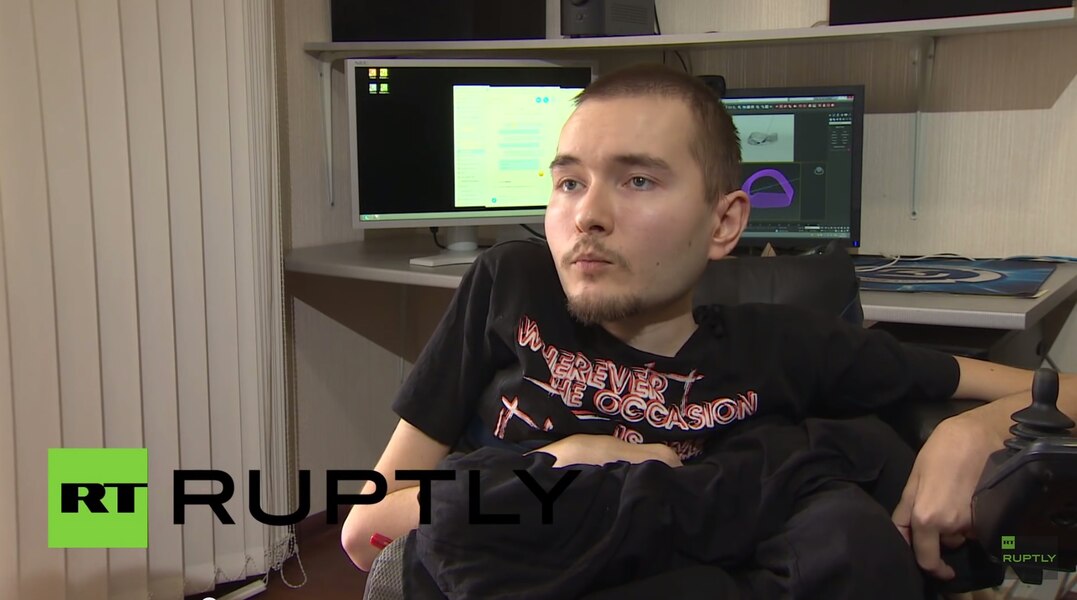
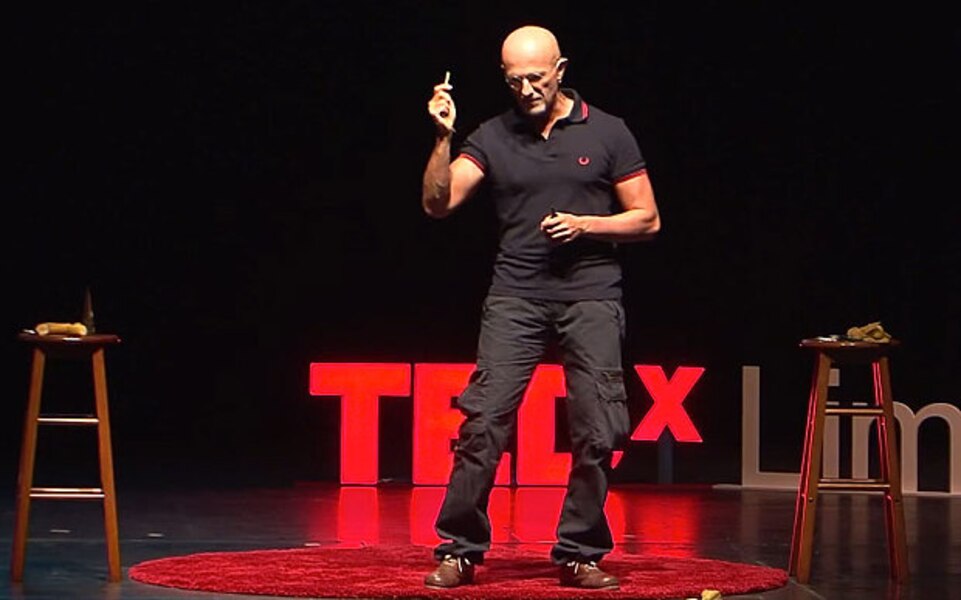
Atteint d’une grave maladie dégénérative, un Russe âgé de 30 ans a accepté que le controversé chirurgien Sergio Canavero essaie de transplanter sa tête sur le corps d'un autre individu, rapporte le Russia Today.
Valery Spiridonov souffre de la maladie de Werdnig-Hoffman qui le cloue à un fauteuil roulant depuis son plus jeune âge. Cette maladie génétique incurable se caractérise par une diminution des muscles.
Valery Spiridonov
Un Russe veut devenir le premier homme à se faire greffer la tête sur un autre corps
M. Spiridonov, dont les facultés cérébrales n’ont pas été atteintes, explique que son état s’aggrave de jour en jour et qu'il n’a plus beaucoup de temps à vivre. Voilà pourquoi il a décidé de jouer le tout pour le tout en acceptant de remettre sa vie entre les mains du docteur italien Sergio Canavero.
Le docteur Sergio Canavero
Un Russe veut devenir le premier homme à se faire greffer la tête sur un autre corps
CAPTURE D'ÉCRAN
Selon le jeune homme, l’opération chirurgicale, si elle est réussie, pourrait prolonger sa vie de manière considérable, en plus de constituer un pas de géant pour la science. «Je suis très intéressé par la technologie et par tout progrès susceptible de changer la vie des gens pour le mieux», a raconté le programmeur informatique en entrevue Russia Today.
Une opération complexe
Selon le docteur Canavero, l’opération, qu’il nomme HEAVEN, devrait durer 36 heures et son coût est estimé à 11 millions de dollars.
La tête de Valery Spiridonov sera transplantée au corps d’un donneur en état de mort cérébrale. Le corps devra néanmoins être en bonne santé. Afin de prolonger le temps pendant lequel les cellules du cerveau peuvent survivre sans oxygène, le cerveau de l’homme devra être refroidi pour atteindre une température entre 10 et 15 degrés Celsius.
Le chirurgien coupera la moelle épinière à l’aide d’un scalpel muni d’une lame ultrafine. La tête de M. Spiridonov sera ensuite fixée sur le corps du donneur grâce à une colle biologique spéciale développée par le chirurgien lui-même.
Après la greffe, Spiridonov sera maintenu un mois dans un coma artificiel afin d’immobiliser complètement les muscles de son cou. Des immunosuppresseurs lui seront également administrés de sorte que son corps ne rejette pas la greffe.
Un docteur controversé
En cas de réussite, la chirurgie pourrait constituer une percée importante pour la science. Plusieurs docteurs considèrent toutefois qu’elle comporte trop de risques.
Le docteur Hunt Batjer, président de la American Association for Neurological Surgeons, a affirmé en entrevue au réseau d’information CNN qu’il ne souhait ce genre d’opération à personne. Il n'accepterait d'ailleurs jamais de subir une telle opération.
Selon lui, il y a beaucoup de choses qui sont pires que la mort. Le docteur Canavero espère être en mesure de compléter la chirurgie en 2017.

Les 7 présidents africains les moins diplômés (ou pas du tout)!

On ne devient pas président par hasard. Pour cela, il faut souvent faire des grandes études. En Afrique, certains ont toutefois prit des raccourcis. Voici les 7 présidents qui n’ont jamais été à la fac. 1. Jacob Zuma -République d’Afrique du Sud L’homme au crâne nu et au large sourire, qui inspire autant de vénération […]

On ne devient pas président par hasard. Pour cela, il faut souvent faire des grandes études. En Afrique, certains ont toutefois prit des raccourcis. Voici les 7 présidents qui n’ont jamais été à la fac.

1. Jacob Zuma -République d’Afrique du Sud


L’homme au crâne nu et au large sourire, qui inspire autant de vénération qu’il suscite de mépris, reste, lui, une énigme. Ou en tout cas, il est une personnalité caméléon, impossible à brosser à grands traits, une bizarrerie politique avec laquelle les diplomaties étrangères anxieuses devront apprendre à composer.
Jacob Zuma est né en 1942, dans une modeste famille du pays zoulou. Orphelin de père dès l’enfance, il doit cumuler des petits boulots (pâtre, coursier…) qui le tiendront à l’écart des bancs de l’école.
Adolescent, il rejoint en 1959 les rangs de l’ANC. Une année plus tard, le mouvement est déclaré hors la loi et décide de recourir à la violence. Jacob Zuma payera son engagement pour la lutte armée de dix ans d’emprisonnement dans les sinistres geôles de Robben Island, où il côtoie Nelson Mandela et s’instruit; du moins, informellement.
« Je n’avais pas de père et les circonstances ne m’ont pas permis d’aller à l’école, j’ai décidé de me construire moi-même. Je lisais les livres des autres et posais beaucoup de questions », racontera-t-il plus tard.

2. Joseph Kabila- République démocratique du Congo

Joseph Kabila a passé son enfance en Tanzanie et parlait mieux kiswahili et l’anglais que les langues les plus parlées à Kinshasa – français et le lingala, qu’il a dû apprendre sur le tas. Après le lycée, Joseph Kabila a suivi un programme militaire en Tanzanie, puis à l’Université de Makerere en Ouganda. L’homme qui a gagné les toutes premières  élections démocratiques de la RD Congo tend vers la quanrentaine. Joseph Kabila a continué à suivre une formation complémentaire à l’Université nationale Deffense PLA, à Beijing, en Chine. En dehors de ces seuls certificats universitaires connus pour être douteux, Joseph Kabila dispose également d’un certificat d’études secondaires.

3. Ismaïl Omar Guelleh – Djbouti

Guelleh est né à Dire Dawa, en Ethiopie durant le règne de Mamassan. Lorsque Guelleh était plus jeune, il a assisté à une école islamique traditionnelle. À la fin des années 1960, Guelleh migré vers Djibouti avant de terminer l’école secondaire. Il a ensuite rejoint la police, devenant un officier subalterne. Le plus haut niveau de formation académique formelle connu pour être atteint par Guelleh est secondaire. Bien qu’il ait reçu la formation du Service de sécurité nationale somalienne et des Services Secrètes français, sachant qu’il était destiné à devenir le successeur de son oncle. « La clé de la réussite de Guelleh est la manière habile dont il a joué les cartes dans sa main forte», selon PINR.

4. Président Omar Hassan Ahmad al-Bashir – Soudan

Omar Hassan Ahmad al-Bashir a fait son école primaire dans le village de Hoshe Bannaga et son enseignement secondaire à Khartoum, en dehors de celles-ci, il ne existe aucune preuve de toute autre formation universitaire accréditéé à Omar Hassan. Il a étudié à l’Académie militaire égyptienne au Caire, puis à l’Académie militaire du Soudan à Khartoum, d’où il sort diplômé en 1966. Il a rejoint l’armée soudanaise et a servi dans l’armée depuis jusqu’à ce qu’il est devenu le président du Soudan.

5. Yahya Jammeh – Gambie

Le président Jammeh a reçu une éducation secondaire en Bwiam. Il a reçu sa première éducation à l’école primaire Kanilai, l’école primaire de Saint Edwards dans Bwiam. En 1983, il a passé le General Certificate of Education (GCE 0 ‘Niveau) avec des crédits en géographie, anglais, français, biologie et physique.   Jammeh a rejoint l’armée nationale gambienne en 1984, fut nommé lieutenant en 1989 et en 1992 est devenu le commandant de laPolice de Gambie. Militaire, il a reçu une formation approfondie au Sénégal voisin et à l’école de l’armée américaine.

6. Paul Kagame – Rwanda

Kagame a commencé ses études primaires dans une école près du camp de réfugiés en Ouganda, où lui et d’autres réfugiés rwandais ont appris l’anglais et ont commencé à se intégrer dans la culture ougandaise.   À l’âge de neuf ans, il a déménagé à l’école primaire Rwengor, à environ 16 kilomètres (10 km) de Kampala, obtenant les meilleures notes.   Il a ensuite assisté à l’École Ntare, une des meilleures écoles en Ouganda. A la mort de son père au début des années 1970, il quitte Rwengor et plus tard rentra dans le FPR.   Il a finalement été suspendu de Ntare et a terminé ses études sans distinction dans une autre école secondaire Kampala. Il n’a jamais repris ces études. 

7. Mohamed Ould Abdel Aziz – Mauritanie

Né en Akjouit, en Mauritanie en 1956, Abdel Aziz a fréquenté le collège à l’Académie militaire royale du Maroc, qui l’a amené à poursuivre une carrière dans l’armée mauritanienne, donc il a renoncé à la possibilité de gagner un certificat d’études secondaires. Il a rejoint l’Académie royale militaire de Meknès au Moroc en 1977 et, après une série de promotions, établi le BASEP élite (Bataillon de sécurité présidentielle). Il a joué un rôle clé dans la suppression d’une tentative de coup en Juin 2003 et un soulèvement militaire en Août 2004. Il a reçu le prix militaire suprême de la Mauritanie pour son rôle dans l’arrêt de l’insurrection 2004. Il a gagné beaucoup de crédit pour son travail mais Abdel Aziz est l’un des présidents africains les moins instruits.

Afrikalife